What is a Microforest?
A dense, native forest. The size of a tennis court. Built by your community.
A microforest is a small area of land planted at high density with native trees, shrubs and groundcovers - designed to grow fast, cool the surrounding area, and create habitat for birds, insects and wildlife.
They're typically between 200 and 500 square metres. The smallest fit in a large school courtyard. The largest might transform a neighbourhood park.
They grow fast.
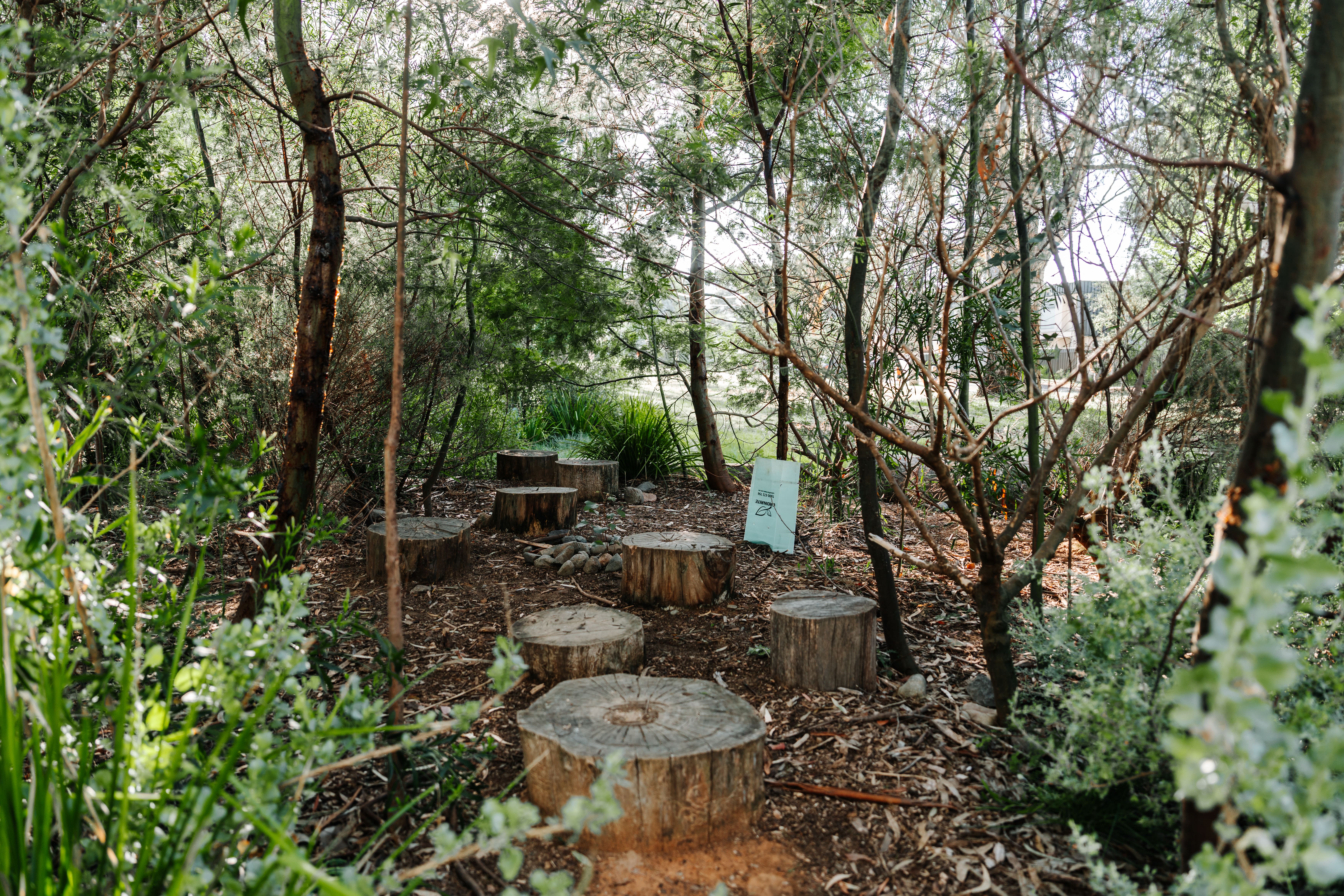
The planting method - known as the Miyawaki method, developed by Japanese botanist Akira Miyawaki - plants natives at three to four per square metre, which forces rapid upward growth as plants compete for light. At Downer in Canberra, some silver wattles planted as small seedlings reached three metres tall within seven months. In Queanbeyan some trees had reached over five meters in two years,
They bring people together.
Every microforest in our network was built by ordinary people - parents, teachers, neighbours - who organised their community, ran a crowdfunding campaign, and showed up on planting day with shovels.
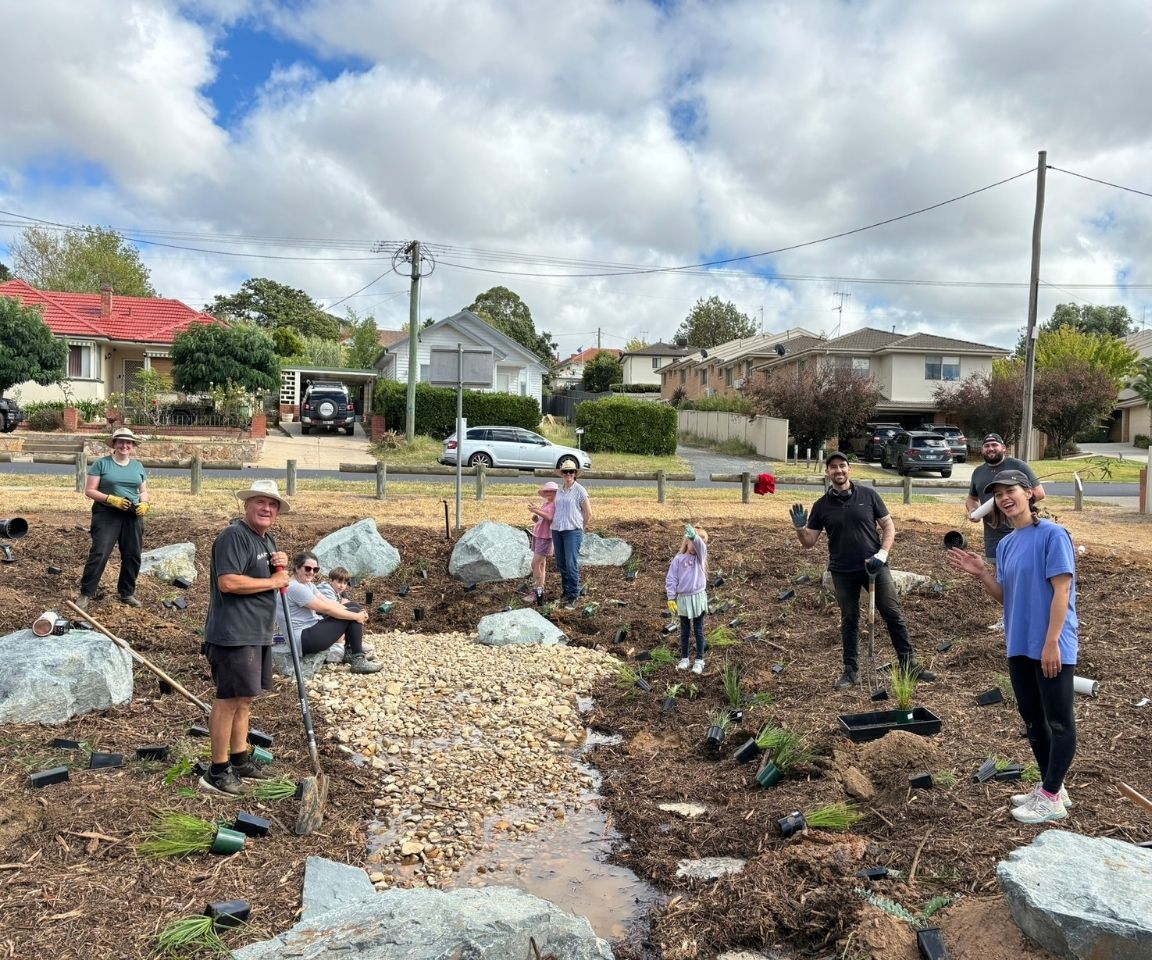
The planting day is usually the moment everything shifts. A hundred people, including kids, putting trees in the ground together. Six months later the same people are walking past something they built.
Over 9,000 native plants are now in the ground across our projects. Every one was planted by hand.
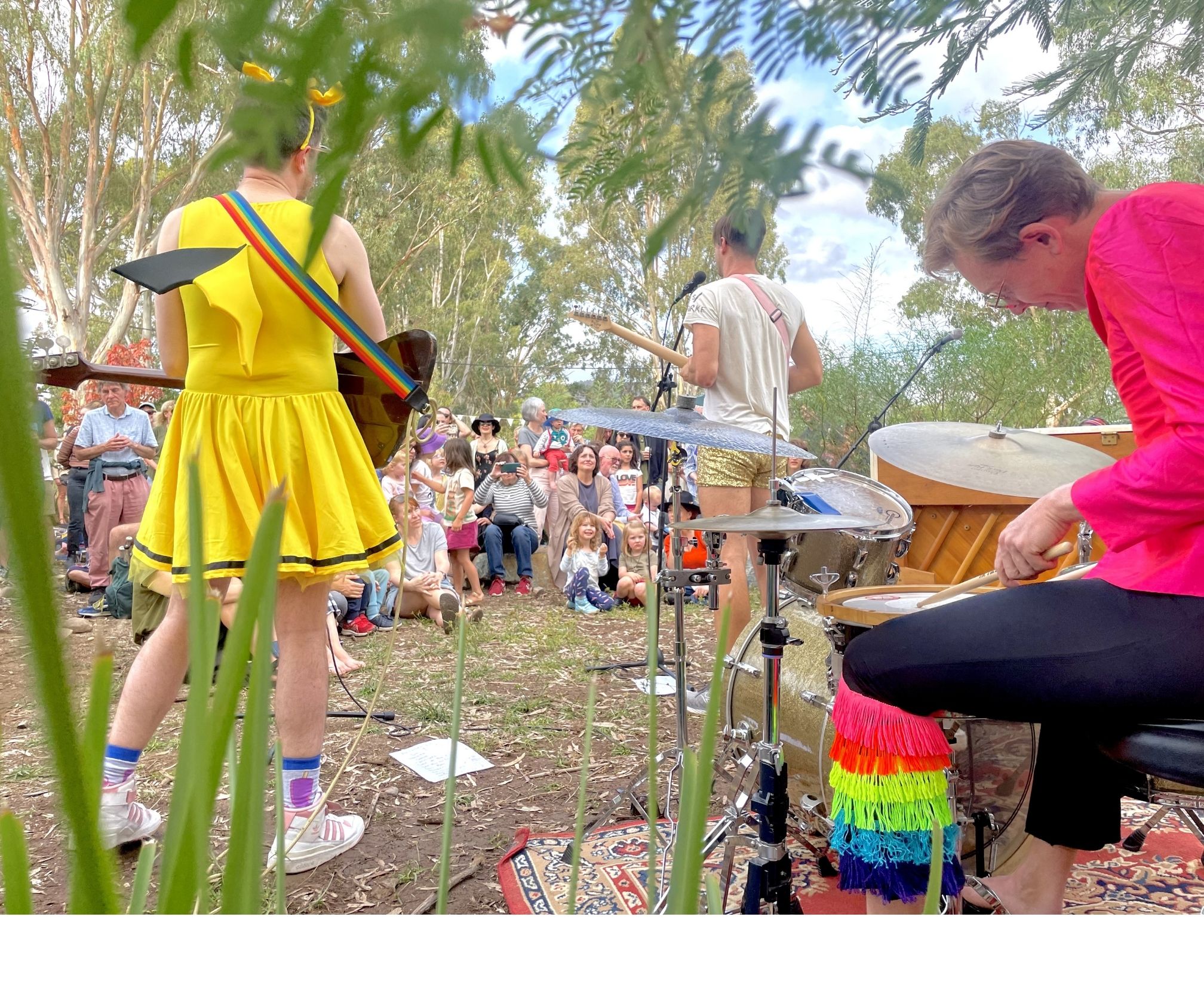
Our two types of microforest.
Every microforest we help create uses the same Miyawaki method, and every one is led by a local person - on their own or with a team - who brings their community together to build it. What changes is the scale, and how much work goes into engaging the people around it.
Foundation Microforest
Around 500 native trees, on 100–200m²
The most straightforward way to get a microforest in the ground. Built from a proven template with a regional species list, so it moves fast - often just a few months from decision to planting day. It cools its surroundings, filters stormwater, and creates habitat where there was bare ground before. A local leader and a few willing helpers is enough to make it happen.
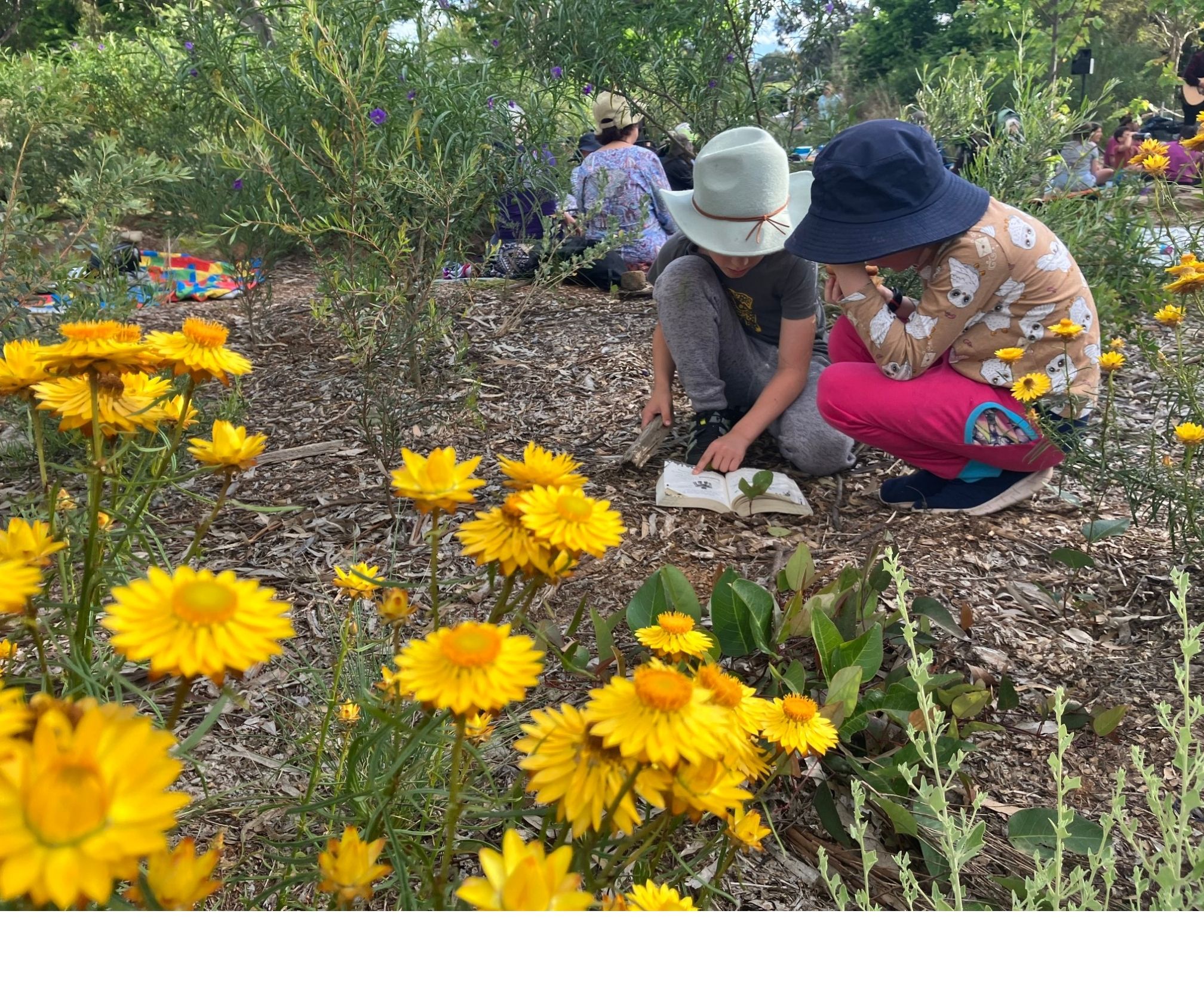
Signature Microforest
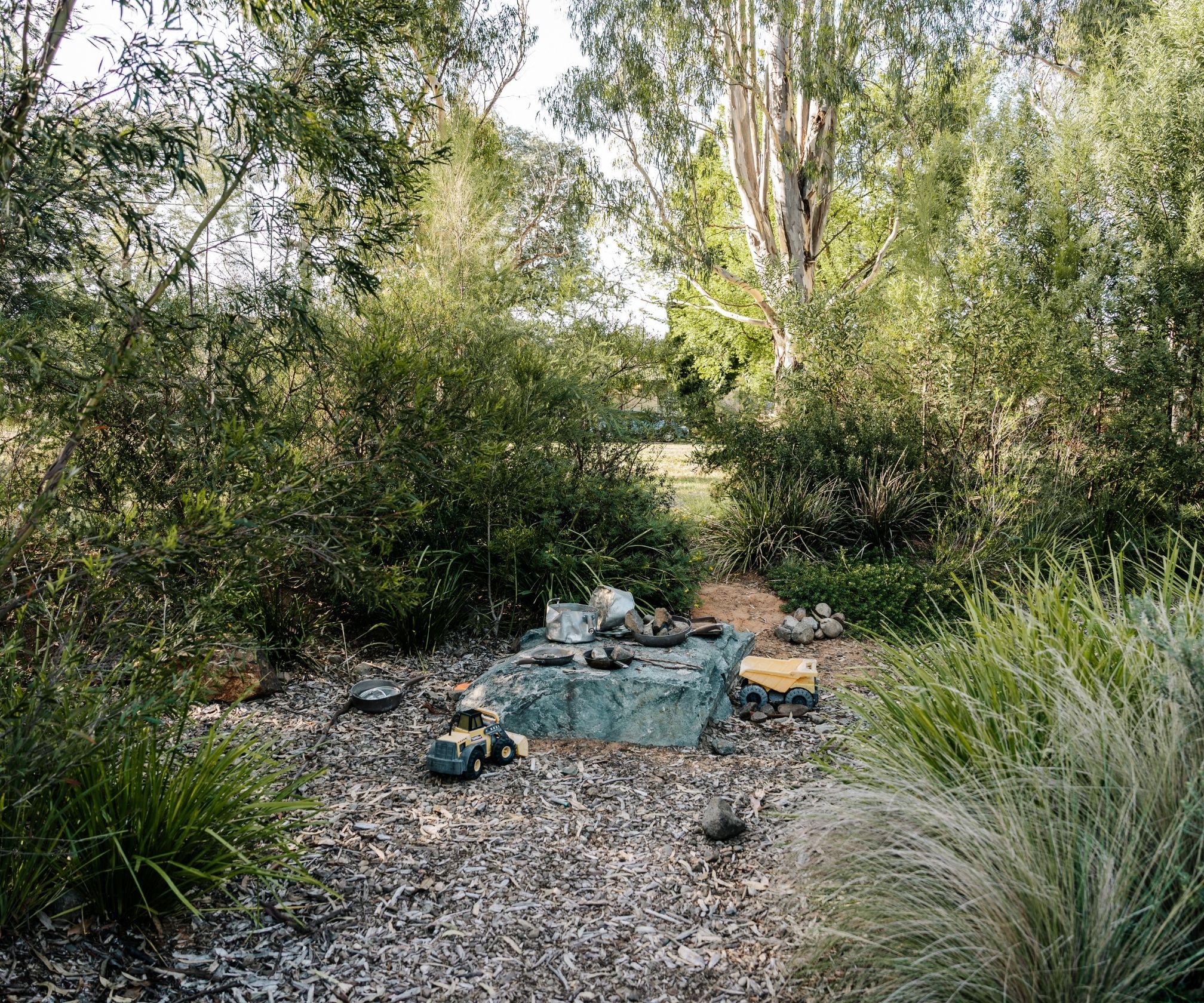
Around 1,500 native trees and plants, on 300–500m². garden beds, across often a 30 x 40 m space (as they often include paths, a gathering circle and a dry creek bed)
A larger project that does more with the space - designed with placemaking and nature play in mind, so it becomes somewhere people gather, not only somewhere trees grow. There's a co-design element and a bigger fundraising target, which means more community engagement along the way: more people to bring on board, more to organise, a longer runway. Led by a local leader with the time and support of a team to see it through.
What makes a good site?
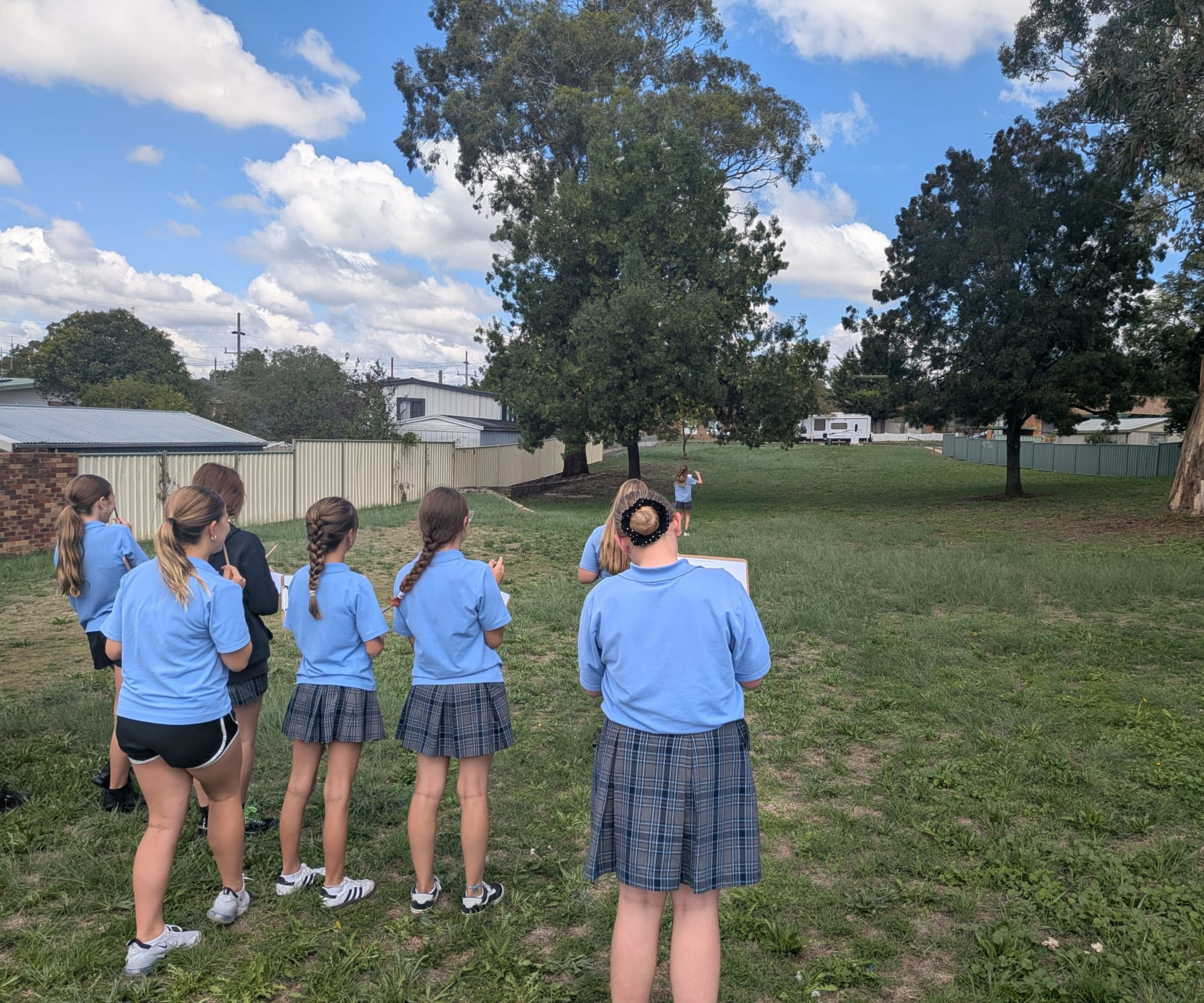
Not every patch of land works. The best sites share a few things in common:
- Public land - a park, school ground, or council reserve
- High pedestrian traffic - people walk past or through it regularly
- Near a playground, path or gathering point
- Full sun for most of the day
- No overhead powerlines or underground services in the planting zone
- Water access nearby for the first two years of establishment
Ready to lead one?
Most leaders had never done anything like this before they started. What they had was a park they cared about and a few people willing to help.
Find our what's involved:
Want to support one instead:
Stay Updated
Follow us on social media for the latest news!