Community Microforests
Help these grow
Active projects fundraising now or soon
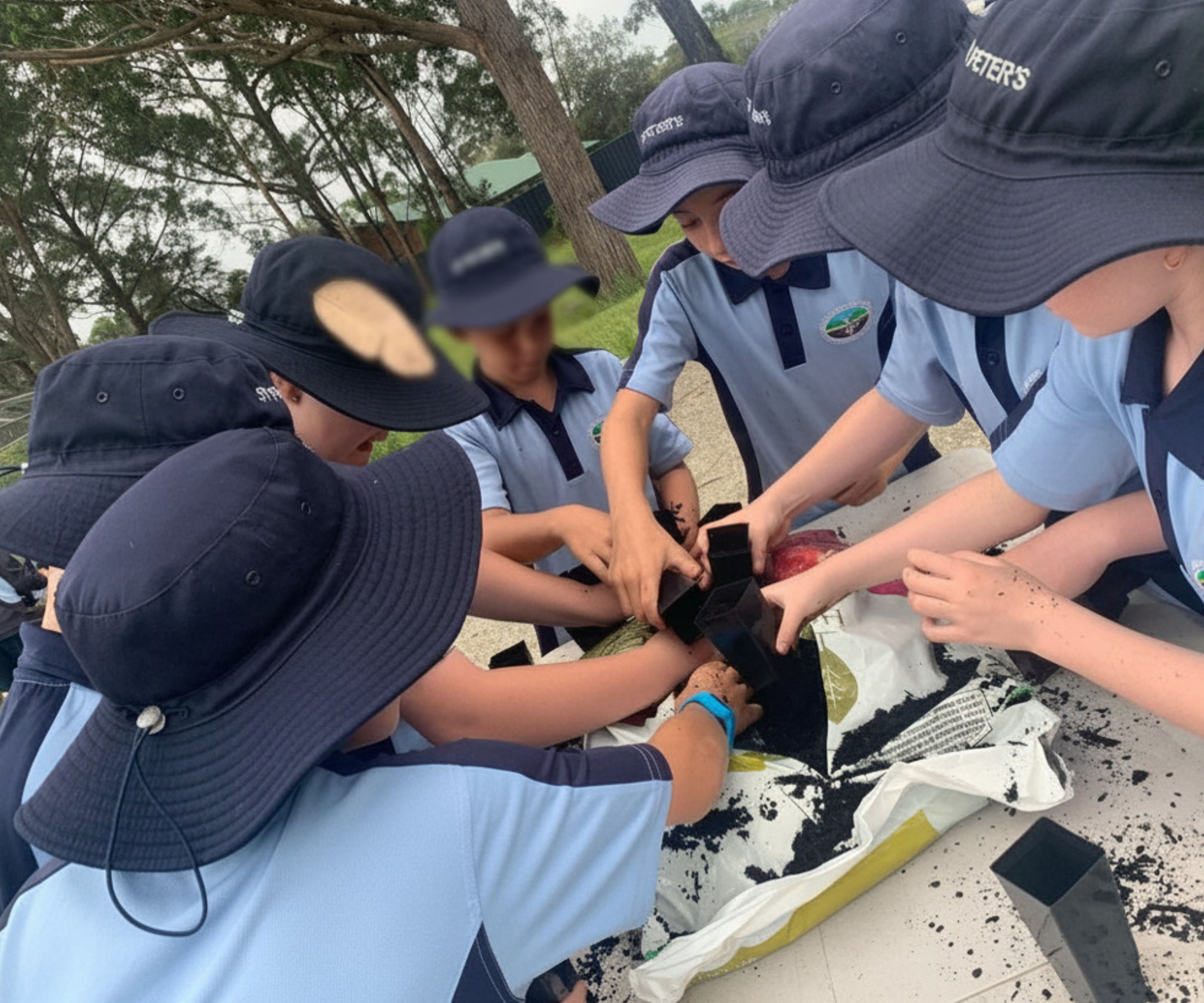
Broulee, NSW
A schools pilot at St Peter's Anglican College on Yuin Country - restoring endangered Coastal Littoral Rainforest on a site evacuated during the Black Summer fires. Donate to help get it in the ground.
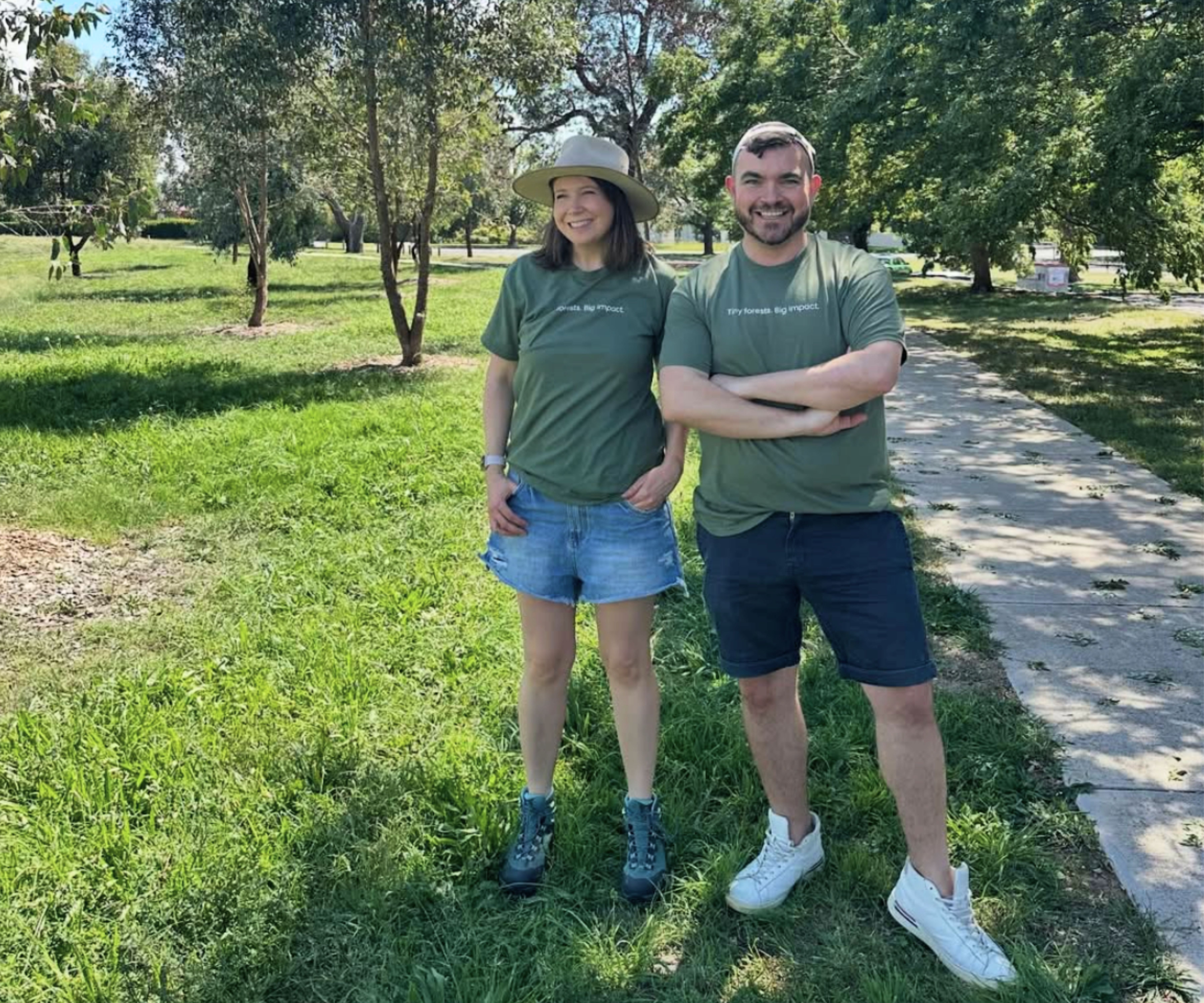
Griffith, ACT
A community-led forest in one of Canberra's most established inner suburbs, led by locals Anna Rose and Ben Wilson.
Fundraising campaign launching soon.
Denman Prospect, ACT
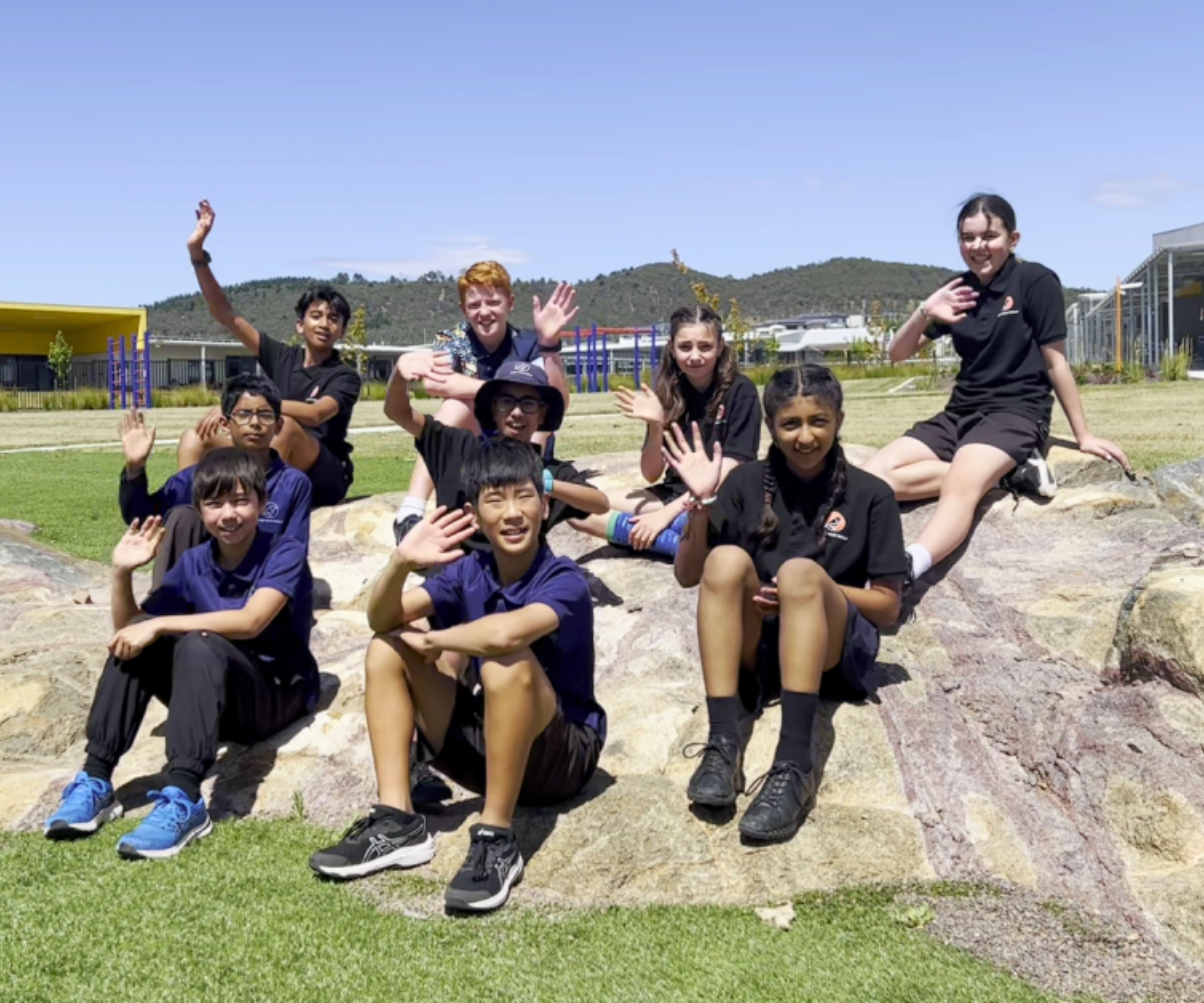
A microforest at Evelyn Scott School - in one of Canberra's newest suburb, backed by Capital Estate Developments and the Rotary Club of Canberra Sunrise.
Part of our national schools program.

Black Hill Ballarat, Victoria
Beside the local post office and within walking distance of three schools, led by Colleen Filippa and Stuart Porteous. Early planning underway with a $9,500 City of Ballarat grant secured.
Karabar, NSW
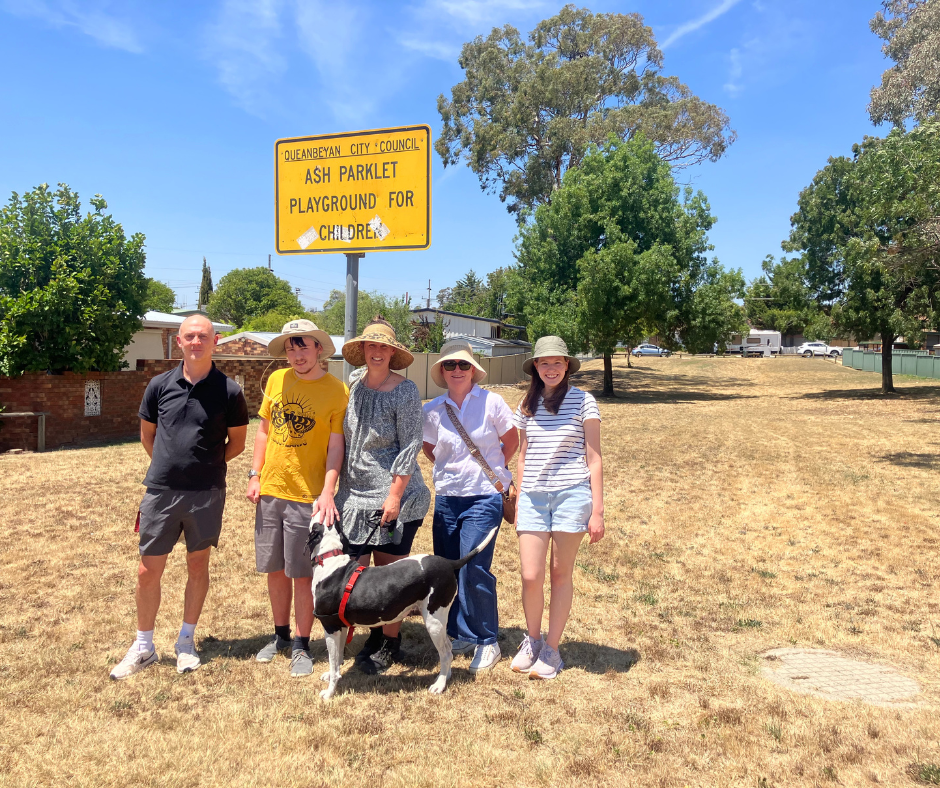
An approved site in Queanbeyan with a strong working group drawn from local residents and Karabar High School.
Part of our national schools program - now entering co-design and fundraising.
Planted and growing
Led by local leaders and backed by their community.
Downer, ACT
Neighbouring Cole St
Established in: 2020
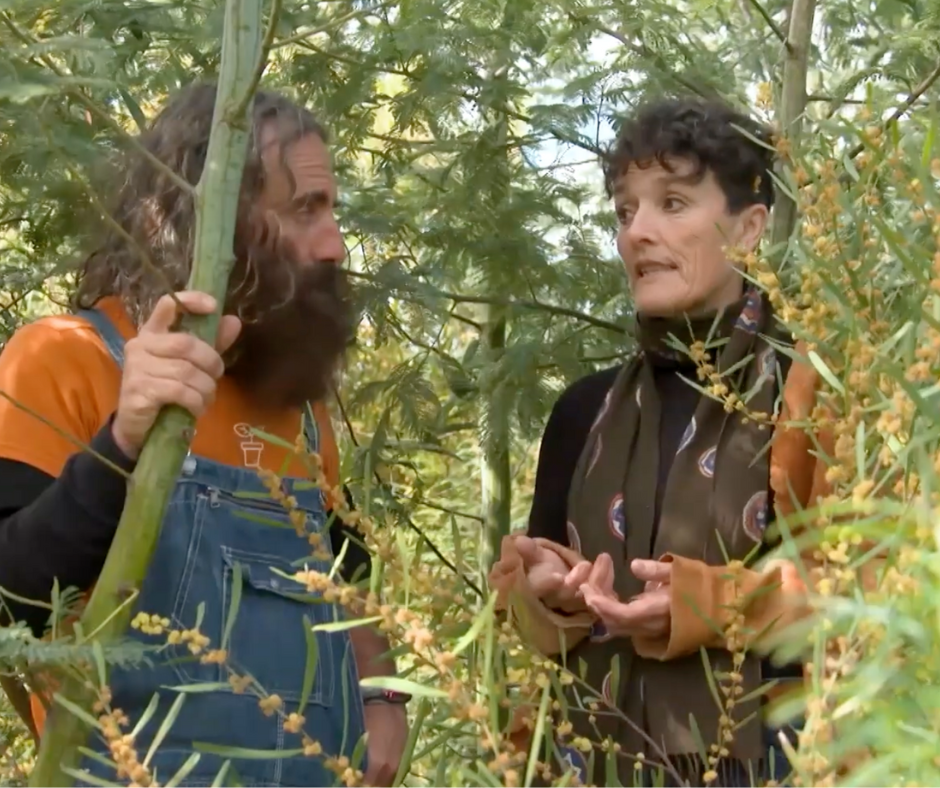
Led by Edwina Robinson, Downer became Canberra’s first climate-cooling microforest. More than 1,800 native plants were established using dense planting and water-harvesting design, transforming a dustbowl into a thriving habitat within a year. Downer became the model that inspired microforest projects across the ACT, NSW, Victoria and beyond.

Watson, ACT
Neighbouring Wade St
Established in: 2021
Led by Purdie Bowden, Liz Adcock and Joan Cornish, the Watson Microforest raised more than $80,000 and planted over 1,200 native plants. Indigenous partners shaped workshops, bush-food activities and cultural elements. Designed with water harvesting, habitat features and a nature-play trail, the site has become a local hub for families, carers and community events.
Holt, ACT
Located in Boyle Place
Established in: 2022
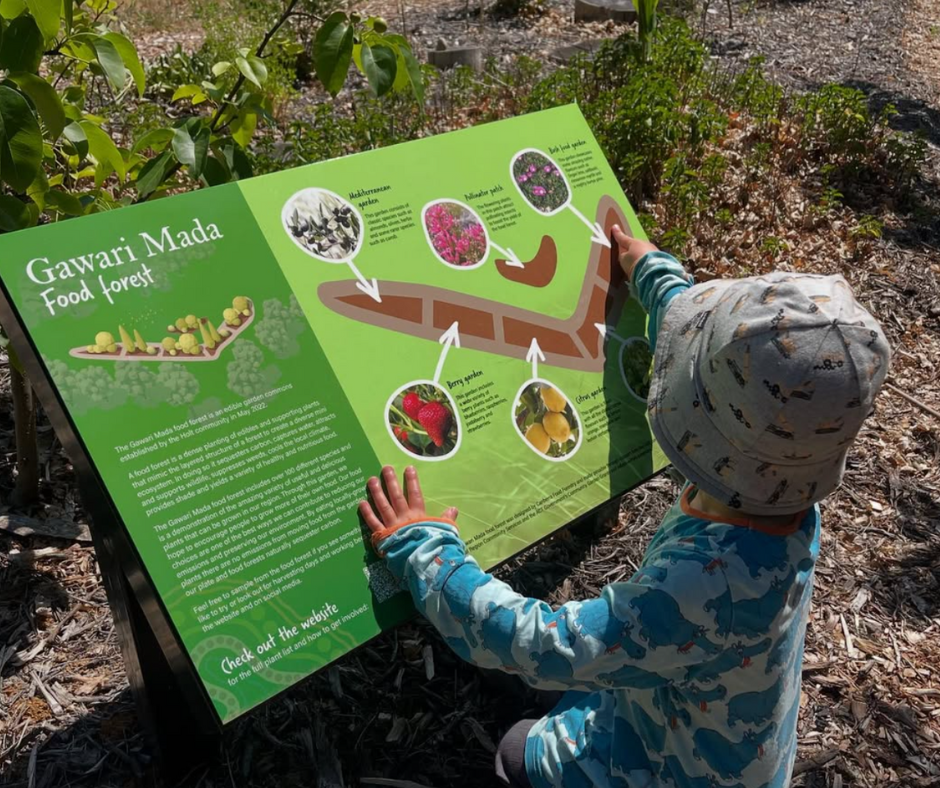
Led by Jennifer Bardsley, Gawari Mada (meaning “Bush Land”) brought more than 1,500 native plants, water-harvesting features and nature-play elements to a formerly barren park. The site now supports pollinator habitat, threatened Black Cypress Pine communities and ongoing community activation, and has become a hub for ANU and ArtsACT creative programs.

Moruya, NSW
Moruya, NSW (Page & Campbell St)
Established in: 2023
Led by Sharlene Cohen, Wendy Jones and Edwina Robinson, Moruya created the Eurobodalla’s first Miyawaki-style microforest beside St John’s Anglican Church. With 1,500 rainforest plants grown locally and donated species from Council, the project is restoring rare Dry Rainforest habitat and giving the community a new shaded, nature-rich gathering place.
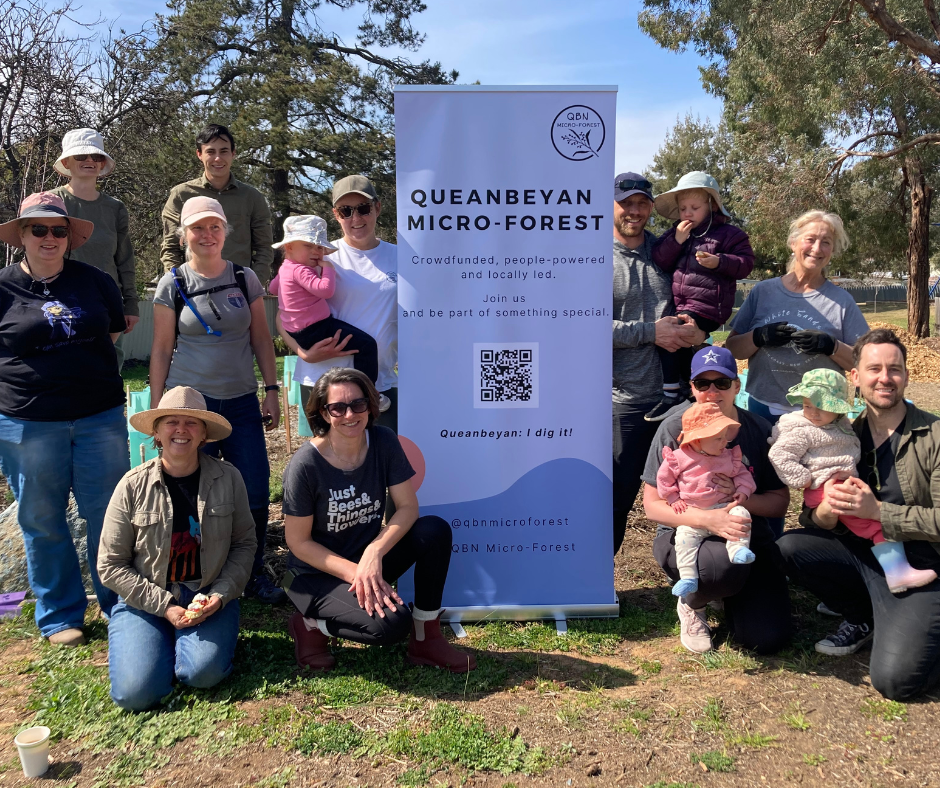
Crestwood, NSW
Queanbeyan, NSW (Blackall Avenue)
Established in: 2024
Led by Mitch Porteous and Rebecca Gredley-Porteous, brought the community together to plant 1,500 native, climate-resilient plants. A council survey one year after planting reported overwhelmingly positive feedback — highlighting its impact on neighbourhood connection, local pride and shared purpose, and helping spark interest in further sites across the region.

Gindilanwari - Dunlop, ACT
Located in Buncle Place
Established in: 2025
Gindilanwari (“Joyful Place”) is a community-built microforest funded through the ACT Government’s Cooling Your Suburb program.
With 1,500 native plants and a sub-surface water-harvesting trenches, the project aims to cool a hot suburb, restore habitat and create a new gathering place for local residents.

Something you can walk past for years and say: I helped build that.
Every microforest on this page was led by someone ordinary - a parent, a neighbour, a teacher. Most had never done anything like it before.
If there's a park near you that deserves better, we'd love to hear from you.
Any questions? Get in touch
If you’re considering a microforest or want to know what’s involved, reach out. We’ll point you in the right direction and help you take the next step.
Stay Updated
Follow us on social media for the latest news!